
Exploring the allure of casino games What keeps players coming back
1 mars 2026Elevate your winnings with strategic casino game tactics
1 mars 2026Unlocking secrets How casinos influence gambling behavior
The Psychological Design of Casinos
Casinos are meticulously designed environments that aim to elicit specific emotional and psychological responses from patrons. The architecture, lighting, and soundscapes are all tailored to create an engaging and immersive experience. For instance, bright lights and vibrant colors stimulate excitement, while strategic layouts encourage exploration and prolonged engagement with gaming machines and tables. You can learn more about this fascinating design here and how it affects behavior.
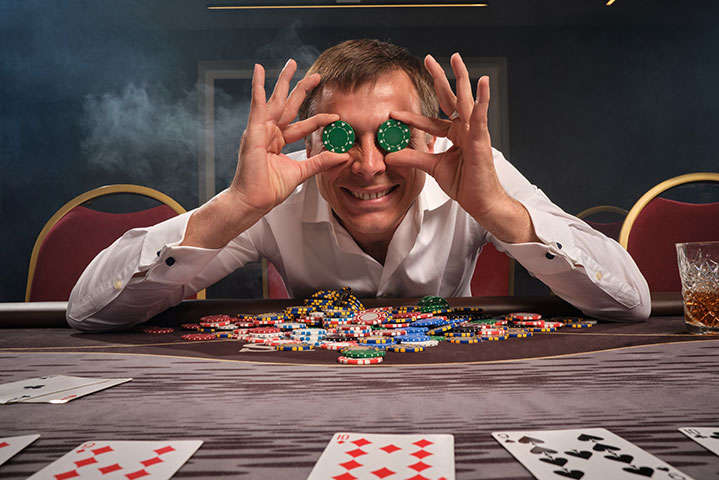
Moreover, casinos employ sensory elements such as the sounds of clinking coins and upbeat music to reinforce a positive atmosphere. This sensory overload can create a euphoric state, which may lead to impulsive gambling behaviors, as patrons become increasingly enthralled by the allure of potential winnings.
The Role of Rewards and Incentives
Casinos utilize a variety of rewards programs to incentivize frequent visits and larger bets. These programs often include comps such as free meals, hotel stays, and exclusive access to events that make gamblers feel valued and appreciated. The psychology behind these incentives is rooted in the principle of reciprocity—players are more likely to gamble more if they feel they are receiving something in return. Understanding how these programs can influence spending is crucial for responsible gaming.
In addition to tangible rewards, casinos often employ loyalty programs that offer escalating benefits based on the frequency and volume of play. This not only encourages individuals to spend more time gambling but also fosters a sense of belonging that can deepen their attachment to the casino.
Understanding the Gambler’s Fallacy
The gambler’s fallacy plays a significant role in how individuals perceive their chances of winning. This cognitive bias leads gamblers to believe that past outcomes will influence future results, particularly in games of chance. For example, if a slot machine fails to pay out for an extended period, a player may erroneously conclude that a win is « due, » prompting them to wager larger amounts in anticipation of an imminent payout.
Casinos often capitalize on this mindset by creating games that reinforce these misconceptions. By offering games with seemingly high odds or exhibiting streaks of wins, casinos can keep players engaged while also increasing the casino’s long-term profitability. Understanding this tendency can help players become more aware of their own decision-making processes and mitigate impulsive gambling behavior.
The Influence of Social Environment
The social dynamics within a casino also play a crucial role in gambling behavior. People often find themselves drawn to the collective excitement of fellow gamblers, which can amplify their own desire to continue playing. This social reinforcement makes it easier for individuals to indulge in risky behaviors, as they may feel buoyed by the enthusiasm of those around them.
Additionally, peer pressure or the fear of missing out can drive gamblers to participate in activities that they might otherwise avoid. Group gambling experiences, where friends encourage one another to take risks or try new games, can further blur the line between responsible and reckless behavior, leading to increased spending and potential gambling issues.
Your Path to Wellness Through Informed Choices
At triadtowellness.com, we understand that making informed choices is vital for maintaining a balanced lifestyle. As you navigate your wellness journey, it’s essential to be aware of the factors influencing gambling behavior, especially in environments designed to captivate and entice. Knowledge is power, and by understanding these influences, you can make better decisions that align with your health goals.
Our platform offers resources that empower individuals to take control of their gambling habits, promoting a healthier relationship with gambling activities. By exploring the interplay of psychology and social dynamics, we hope to foster a deeper understanding of how these elements impact your choices, paving the way for a more informed and fulfilling life.
